Las Vegas Rental Property Market Trends That Landlords Need to Know
Las Vegas Housing Market Trend Analysis for Landlords

After years of rapid growth, the Las Vegas rental property market is entering a new phase, and it's one that's being defined by stabilization and recalibration. For property owners like you, this transition brings challenges, but it also creates opportunities. The frenzied rent spikes of 2020–2022 have cooled, population growth is steady, and there's a more diversified economy, all of which means continued demand for quality rentals.
As a landlord who adapts to shifting conditions you can still achieve strong long-term returns when you know how to adjust to the current market and plan for the future, as well. Here's what to consider, so you can make the most of your rental properties in the Las Vegas housing market.
Current State of the Las Vegas Rental Market
Inventory and Vacancy Trends
After several years of tight inventory, the Las Vegas area is seeing a big rise in available rental properties. Inventory levels have climbed 30 to 45% compared to last year, and the market is more balanced. Where you might have seen units leased within days in the past, today's inventory represents two to three months of available stock.
This increase means potential tenants have more options and you'll see more competition from other landlords. The key to success is differentiation. You'll need to maintain your properties well, price them competitively, and respond quickly to tenants' questions.
Rental Rate Stabilization
Between 2019 and 2022, Las Vegas rents surged roughly 40%. That increase was driven by record migration, limited supply, and low interest rates. However, that era has plateaued, with median rents across property types currently hovering around $1,900 to $2,000 with only modest increases.
This stabilization isn't necessarily bad news. It signals predictability, which helps you plan for sustainable, long-term growth instead of racing to keep pace with rapid market shifts. Holding properties with stable, well-qualified tenants is now more valuable than chasing marginal rent gains that risk higher vacancy rates.
Tenant Behavior Changes
As supply grows, tenant habits have also changed. Renters are taking 30 to 45 days on average to find their next home, and they're also more selective when comparing amenities, property condition, and prices.
This shift means it's time for you to think like a marketer. Clean, updated, and well-presented properties attract faster occupancy, and clear communication, flexible lease terms, and responsive management now carry as much weight as square footage or location.
Las Vegas Housing Market Analysis for Property Owners
Population Growth Continues
Despite the market's slowdown, Las Vegas continues to grow. Migration from California and other high-cost states remains strong as individuals and families seek more affordable housing and a lower tax burden. For you as a landlord, this ongoing inflow means occupancy and long-term rent stability.
Economic Drivers and Challenges
The city's economic diversification continues to strengthen its housing fundamentals. Large-scale developments, such as new movie studio projects and expansions of professional sports teams and entertainment venues, create jobs and attract new residents. High interest rates, meanwhile, are keeping many potential buyers in the rental pool longer.
Supply and Demand Balance
While rental inventory has increased, new housing construction is slowing, with some estimates predicting a 20% decrease in new starts. Institutional investors, who now represent about 23% of home sales, also influence the market by purchasing large volumes of single-family homes for rental portfolios.
Predictions for Las Vegas Housing Market Trends
Near-Term Outlook (Through 2026)
Over the next 18 to 24 months, you can expect rents to remain stable or dip slightly as the market fully normalizes after its pandemic-era surge. Vacancy rates may stay moderate while tenant choice expands. With softer pricing and a buyer's market emerging, you can secure additional properties before the next cycle of appreciation begins and refine your rental strategy to protect rental income.
Long-Term Investment Potential
Las Vegas retains strong long-term appeal. Its strategic Southwest location, favorable business climate, and relative affordability compared to coastal markets make it an enduring magnet for migration and investment.
Emerging Opportunities
Certain neighborhoods present particularly strong potential for yield, and areas like Spring Valley, Sunrise Manor, and Centennial Hills continue to attract renters seeking value, proximity to employment, and amenities. Nevada's tax advantages, including no state income tax, can also enhance your returns.
Multi-Family Property Management in Las Vegas
Growing Demand for Multi-Family Units
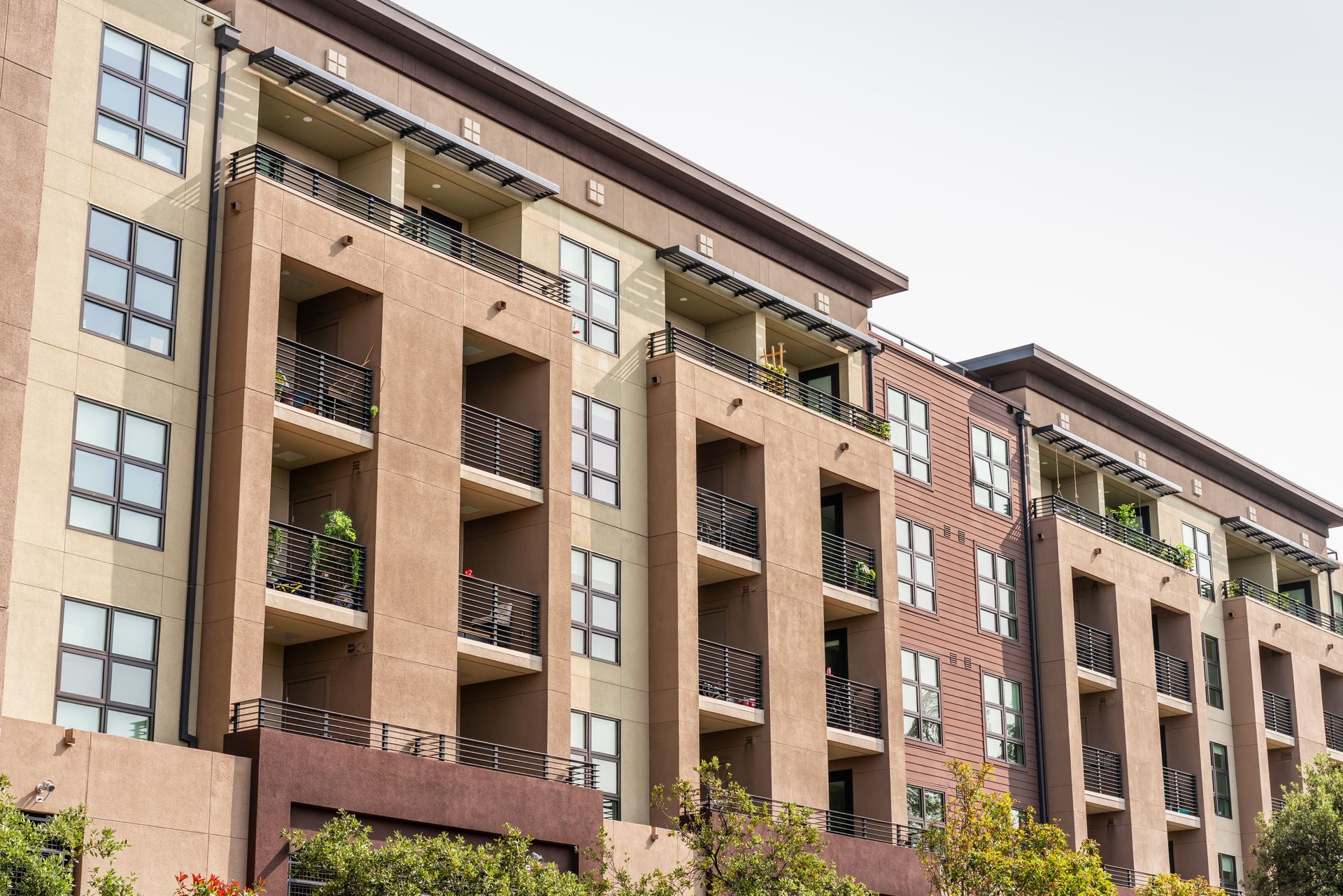
Renters are increasingly drawn to well-maintained apartments, fourplexes, and duplexes offering modern features at accessible price points. That can help you enjoy management efficiency and economies of scale with one roof, multiple revenue streams, and consolidated maintenance costs.
Investment Advantages
Multi-family properties typically produce higher cash flow and lower risk exposure by spreading income across several tenants. Financing options are often more accessible for these properties, and consistent occupancy levels provide reliable income even in slower markets, making them compelling investment properties.
Management Considerations
Managing multi-family assets requires a professional approach. From tenant screening to maintenance scheduling and compliance, the complexity increases with each additional unit. At Americana Property Management, we bring deep experience managing fourplexes and similar properties across the Las Vegas Valley, to help you maximize profitability while maintaining tenant satisfaction.
Strategic Recommendations for Las Vegas Property Owners
Pricing Strategy in a Balanced Market
In today's environment, you should perform a competitive market analysis every quarter to stay aligned with shifting trends. Flexibility in lease lengths, such as offering 6- or 18-month options, can help attract stable prospective tenants. Additionally, small value-add improvements like refreshed landscaping, upgraded fixtures, or modern appliances can justify slightly higher rents and reduce vacancy times without straining rental prices relative to the local average rent.
Tenant Retention Focus
Keeping a reliable tenant is much more cost-effective than finding a new one. Proactive maintenance, clear communication, and quick response times to issues build trust and reduce turnover, and offering renewal incentives or loyalty-based upgrades can also strengthen your retention rates.
Portfolio Optimization
Diversifying across property types, such as single-family, multi-family, and small commercial, helps stabilize your income. Now is also an ideal time to reassess underperforming assets and reinvest in higher-yield neighborhoods. If you have three or more properties, we offer an 8% management rate to help you scale your operations efficiently.
Why Professional Management Matters More Than Ever
As the Las Vegas real estate market grows more complex, professional property management is essential. Regulatory compliance, local ordinance updates, and tenant law changes all demand careful attention.
Partnering with an experienced firm like us at Americana Property Management ensures every aspect is handled efficiently. Our technology-driven platform also provides you with real-time visibility, streamlined communication, and transparent financial reporting.
In a market defined by competition and stabilization, expert management is the difference between maintaining occupancy and watching returns decline.
Frequently Asked Questions (FAQs)
Is Las Vegas still a good market for rental property investment?
Yes. Despite short-term stabilization, rental demand in Nevada, and Las Vegas in particular, remains strong long term. Population growth, economic diversification, and no state income tax make it an investor-friendly market.
How are multi-family properties performing in Las Vegas?
Multi-family properties continue to perform well, offering strong occupancy rates and steady cash flow. Professional management maximizes these benefits.
What neighborhoods offer the best rental yields?
Spring Valley, Centennial Hills, and Sunrise Manor consistently deliver attractive yields, as these areas combine rental demand, accessible pricing, and proximity to job centers.
Should I adjust my rental rates in the current market?
Before making any adjustments, conduct a market analysis. In many cases, maintaining occupancy is more profitable than seeking the highest possible rent.
How long are properties staying vacant in Las Vegas?
On average, rental listings remain on the market for 45 to 50 days. Location, property condition, and pricing all influence vacancy periods, underscoring the need for professional marketing and management.
What impact are institutional investors having on the market?
Institutional buyers now account for roughly 23% of home sales, increasing competition for certain properties. However, independent landlords still have plenty of opportunity.
Maximize Your Las Vegas Rental Property Returns with Americana Property Management Today
The Las Vegas housing market is evolving, and timing matters. Whether you own a single-family home or a growing multi-family portfolio, professional management helps you stay competitive, protect your assets, and capture new opportunities.
Americana Property Management combines local expertise with advanced technology to deliver transparency, efficiency, and peace of mind. Contact us today for a free consultation and discover how to maximize your rental property performance in today's changing market.
Blog